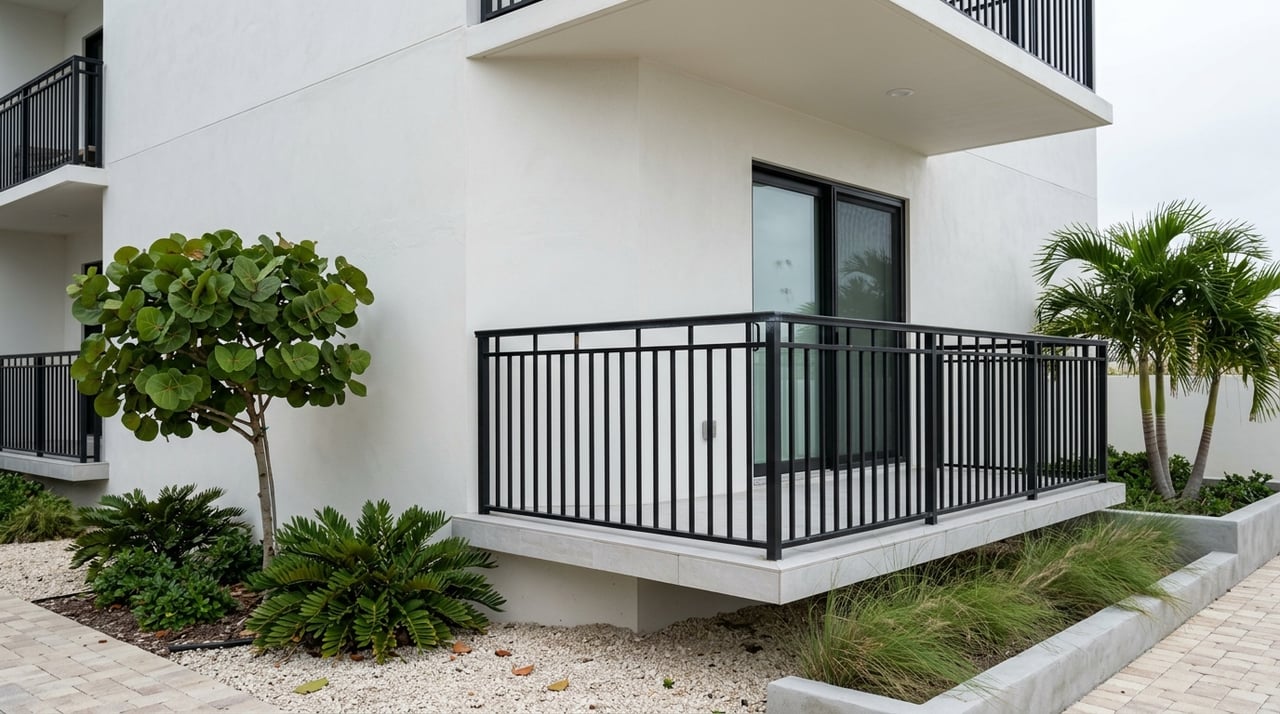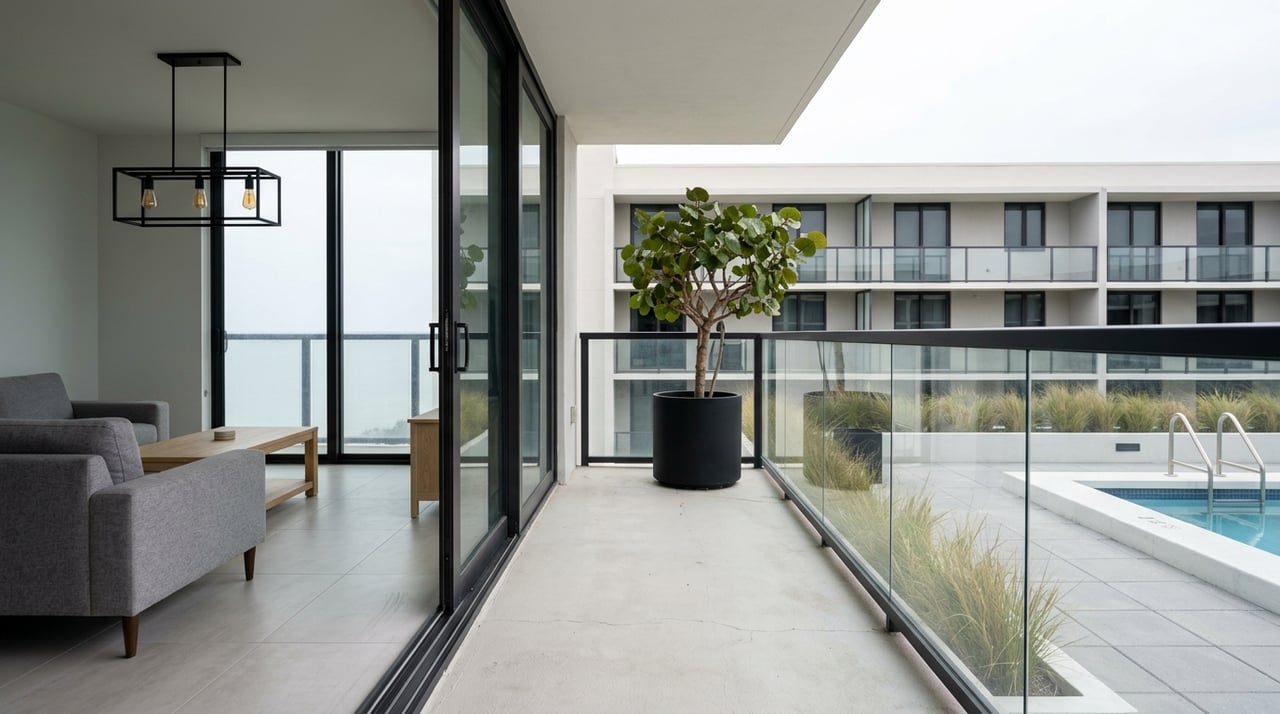
If you picture condo life in Cocoa Beach as endless ocean views and easy walks to the sand, you are not wrong. But that is only part of the story. Owning a condo here also means learning how beach access, parking rules, HOA rules, insurance, and reserve funding shape your day-to-day experience. If you are thinking about buying, this guide will help you understand what condo ownership in Cocoa Beach is really like. Let’s dive in.
Beach access is the biggest lifestyle perk
One of the best parts of owning a condo in Cocoa Beach is how easy it can feel to get to the ocean. The city has 40 stub-end street ends east of A1A that lead directly to the beach, and each one includes a dune crossover, metered parking, and a litter barrel. Cocoa Beach also highlights access through oceanfront parks and a downtown parking garage.
That means your beach routine can be simple. Depending on where your condo is located, you may be able to walk over for a sunrise, carry a chair down for an afternoon break, or head out for a quick evening stroll without planning a full beach day.
Several public beach spots also add to the appeal of condo living nearby. Alan Shepard Park offers about 300 parking spaces, restrooms, showers, security, picnic pavilions, a playground, and beach access. Sidney Fischer Park includes parking, beach access, pavilions, picnic shelters, a playground, restrooms, showers, and volleyball.
Lori Wilson Park is another popular option. It includes a long nature boardwalk, six dune crossovers, restrooms, outdoor showers, surf fishing, and an off-leash dog park. If you want beach access plus a little extra outdoor variety, that mix can be a real benefit.
Beach rules are part of daily life
Living near the ocean also means following local beach rules on a regular basis. In Cocoa Beach, dunes are protected because they help shield properties from storm surge. Glass and camping are prohibited, and open fires require a permit.
These rules may seem small when you first tour a condo, but they matter once you live there. If you host friends or family, spend weekends on the sand, or like to bring gear out for the day, it helps to know what is allowed and what is not.
Pet owners should pay especially close attention. Cocoa Beach has limits on dog beach access, and Lori Wilson Park’s dog park is separate from the beach itself. So while the area can still work well for pet owners, you should not assume that a dog-friendly town means unrestricted dog access on the sand.
Condo ownership means shared property and shared rules
In Florida, a condo unit is separate real property, but ownership also includes an undivided share in the common elements. In plain terms, you own your unit, but you also share ownership and responsibility for parts of the property like hallways, grounds, and other common areas.
That setup is a big reason condos appeal to buyers who want a lower-maintenance lifestyle. The association generally maintains the common elements, which means you are not handling every exterior task yourself. At the same time, you also give up some control compared with owning a single-family home.
Associations can adopt reasonable rules for common elements and recreational facilities. They can also access units during reasonable hours when maintenance or damage prevention makes that necessary. So condo ownership usually comes with more structure, more shared decision-making, and more building-specific policies than many buyers expect at first.
Parking is often more important than buyers realize
In Cocoa Beach, parking affects everyday life more than many buyers expect. The city says it offers more than 1,600 parking spaces across parks, beach-access street ends, and a downtown garage, and parking is enforced daily from 7 a.m. to 7 p.m. That public system helps support beach access, but it does not replace the need to understand your condo’s own parking setup.
Inside a condo community, parking may be assigned, deeded, limited common, or permit-based. That difference matters. A space may not function like a private driveway at a single-family home, even if it feels that way during a showing.
Guest parking is another issue worth verifying early. If you expect visitors, seasonal guests, or family trips, the number of actual guest spaces and how they are managed can make a big difference in how convenient your condo feels over time.
Florida law also allows an owner to install an EV charger within a limited common element or exclusively designated parking area in certain situations. That is another reminder that parking rights in a condo often depend on the declaration and association structure, not just on what you see on site.
Lower maintenance does not mean no oversight
Many buyers choose a Cocoa Beach condo because they want a more lock-and-leave lifestyle. That is a real advantage. Shared upkeep, managed common areas, and close beach access can make ownership feel simpler than maintaining a nearby house.
Still, lower maintenance is not the same as hands-off ownership. You will want to understand what the association maintains, what you maintain, and how the declaration divides those responsibilities. Limited common elements can also be assigned to certain units or groups of units, which can affect things like balconies, parking areas, or storage.
This is where condo living becomes less about square footage and more about fit. If you want convenience and are comfortable with shared rules, a condo can be a strong match. If you want full control over exterior changes, parking, and daily use, a single-family home may feel more natural.
Insurance works differently with condos
Insurance is one of the biggest adjustment points for condo buyers, especially near the coast. Florida consumer guidance says condo owners generally need an HO-6 policy. That policy usually focuses on personal property and liability and may include loss-assessment coverage.
The association’s master policy typically covers the exterior structure and common areas. That means you need to understand both layers of coverage, not just your own policy. Buyers who skip that step can end up confused about what is covered by the building and what is their own responsibility.
Flood risk is another practical issue in coastal ownership. FEMA says flood maps are the official tool for checking flood risk, and coastal communities face hazards such as storm surge, waves, and erosion. Florida consumer guidance also notes that lenders often require flood insurance if the property is in a special flood zone.
HOA dues often reflect real coastal costs
A common mistake is thinking condo dues are mostly about amenities. In Florida, they also reflect reserve funding and long-term building upkeep. State law requires reserve accounts for capital expenditures and deferred maintenance items such as roof replacement, building painting, and pavement resurfacing, along with other high-cost items above the statutory threshold.
For buildings subject to structural-integrity rules, reserve funding must align with the most recent structural integrity reserve study. In practical terms, that means a well-run coastal condo may have materially higher monthly dues than a similarly sized inland home. Higher dues are not automatically a red flag. Sometimes they reflect better planning and more realistic funding.
This is especially important in older coastal buildings. A milestone inspection is required for condominium or cooperative buildings that are three stories or higher by the end of the year the building turns 30, and every 10 years after that. For existing unit-owner-controlled associations, the structural integrity reserve study deadline was December 31, 2025, with limited timing flexibility when a milestone inspection is also required by December 31, 2026.
Due diligence matters more than the view
It is easy to fall in love with a balcony, ocean breeze, or quick beach walk. But in Cocoa Beach condo ownership, the smarter move is to look just as closely at the documents as you do at the view.
Florida condo-sale disclosure rules require buyers to receive the declaration, bylaws, annual budget, and, when applicable, the milestone inspection summary and the latest structural integrity reserve study. Those documents can tell you a lot about how the building is run and what future costs may look like.
When you review a condo, pay close attention to:
- Current HOA dues
- Reserve funding levels
- Milestone inspection status
- Structural integrity reserve study status
- Special assessment history
- Maintenance responsibilities under the declaration
- Parking rights and guest parking rules
- Pet, storage, rental, beach-gear, and balcony rules
- Insurance details, including HO-6 needs and loss-assessment coverage
This is where working with a local advisor can make a real difference. In a coastal market, two condos with similar views can feel very different once you understand the rules, reserves, and ownership structure behind them.
Condo living versus a nearby house
If you are deciding between a condo and a single-family home in Cocoa Beach, the real question is not which one is better in general. The better question is which lifestyle fits how you want to live.
A condo usually gives you beach access, shared upkeep, and a more convenient lock-and-leave setup. The tradeoff is less control over parking, exterior changes, shared facilities, and some day-to-day rules because the association governs common areas.
A nearby single-family home usually offers more privacy, more yard space, and more parking flexibility. But it also puts more maintenance directly on you. So the decision often comes down to how much upkeep you want to handle and how close you want to be to the beach.
For many buyers, that is the heart of Cocoa Beach condo ownership. You are trading some independence for convenience, location, and a lifestyle built around the coast.
If you are weighing condos in Cocoa Beach and want help sorting through the lifestyle details, building documents, and neighborhood fit, Jeremy Stewart can help you make a more confident move.
FAQs
What is day-to-day beach access like for Cocoa Beach condo owners?
- Many condo owners enjoy quick access to the beach through Cocoa Beach’s 40 stub-end street ends east of A1A, oceanfront parks, and the downtown parking garage, depending on the condo’s location.
What should buyers know about Cocoa Beach beach rules before buying a condo?
- Buyers should know that dunes are protected, glass and camping are prohibited, open fires require a permit, and dog beach access is limited, so daily beach use comes with local rules.
What does owning a condo in Florida include besides the unit itself?
- Florida condo ownership includes the unit plus an undivided share in the common elements, which means you share ownership and responsibility for certain parts of the property and follow association rules.
Why is parking such a big issue with Cocoa Beach condos?
- Parking matters because a condo space may be assigned, deeded, limited common, or permit-based, and guest parking rules can affect how easy the property is to use for everyday living or visitors.
What insurance does a Cocoa Beach condo owner usually need?
- Florida consumer guidance says condo owners generally need an HO-6 policy, while the association’s master policy typically covers the exterior structure and common areas.
Why can HOA dues be high in Cocoa Beach condo buildings?
- HOA dues may be higher because Florida law requires reserve funding for major maintenance and repair items, and older or larger coastal buildings may also need milestone inspections and structural integrity reserve studies.
What documents should a Cocoa Beach condo buyer review before closing?
- Buyers should review the declaration, bylaws, annual budget, and, when applicable, the milestone inspection summary and latest structural integrity reserve study to understand rules, reserves, and possible future costs.
How do Cocoa Beach condos compare with nearby single-family homes?
- Condos usually offer more convenience and shared upkeep, while single-family homes usually offer more privacy, yard space, and control, but also more direct maintenance responsibility.