If you have been daydreaming about a beach place that you can enjoy now and hold for the long term, Cocoa Beach probably keeps coming up for good reason. It offers the kind of coastal lifestyle many buyers want, but it also comes with real rules, real costs, and a market that asks you to buy carefully. This guide will help you understand what makes Cocoa Beach appealing for second-home buyers and investors, what to watch before you purchase, and how to think about fit. Let’s dive in.
Why Cocoa Beach draws second-home buyers
Cocoa Beach has a strong lifestyle pull that feels different from many inland Space Coast communities. The city includes six miles of public beaches, 42 public beach access points, 15 parks and recreational facilities, and more than 239 acres of active and passive recreation. That gives you a market shaped by beach access, outdoor time, and a true coastal routine.
The setting adds even more to that appeal. Cocoa Beach is tied closely to the Banana River Lagoon, the Thousand Islands, Merritt Island National Wildlife Refuge, and Kennedy Space Center. For many buyers, that mix creates a lifestyle-first destination that works well for personal use, part-time living, or a property that may also serve as an income-producing asset.
The city itself describes Cocoa Beach as a way of life built around waves, palms, community events, and Banana River sunsets. That surf-town identity matters because it helps explain why the area stays attractive to both part-time owners and visitors. If you want a second home that feels like a getaway the moment you arrive, Cocoa Beach checks that box.
What the housing mix looks like
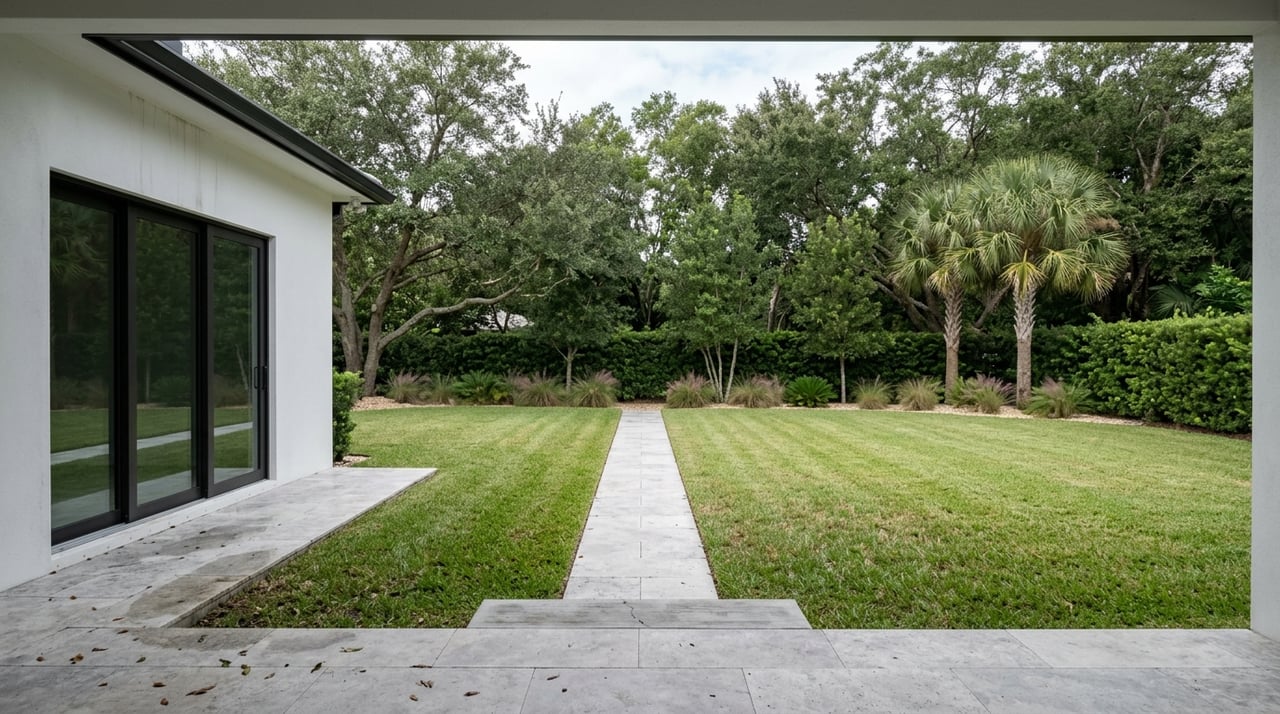
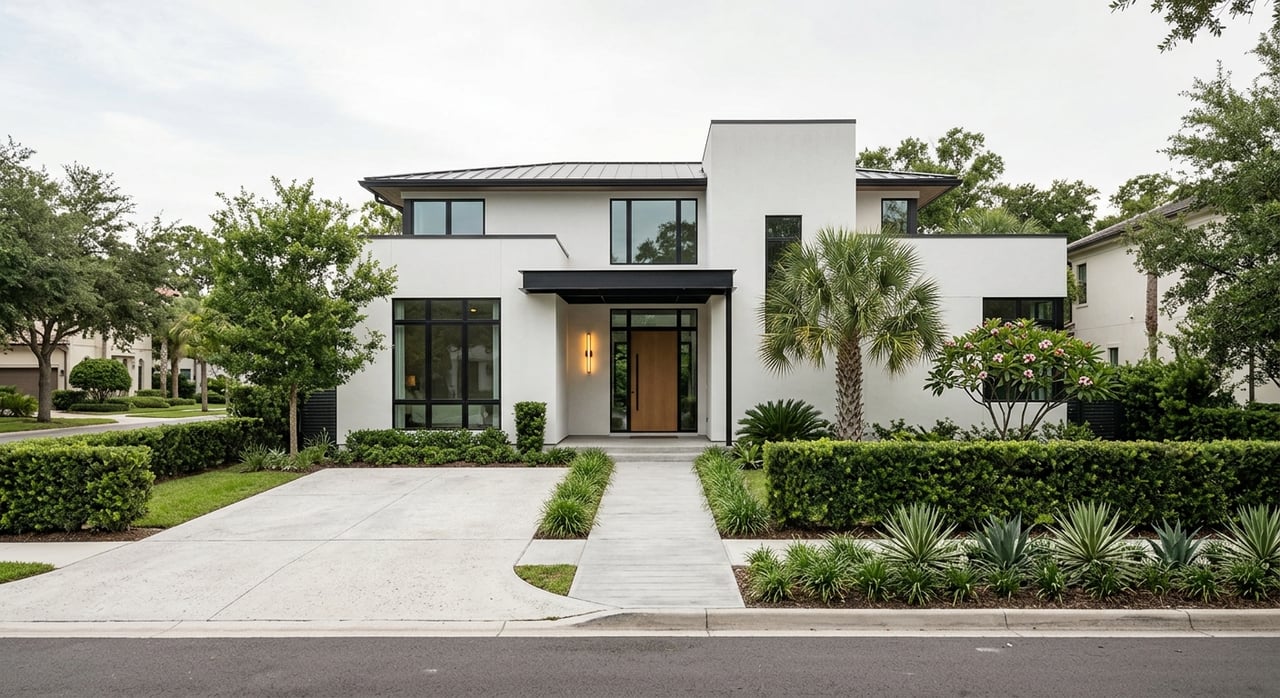
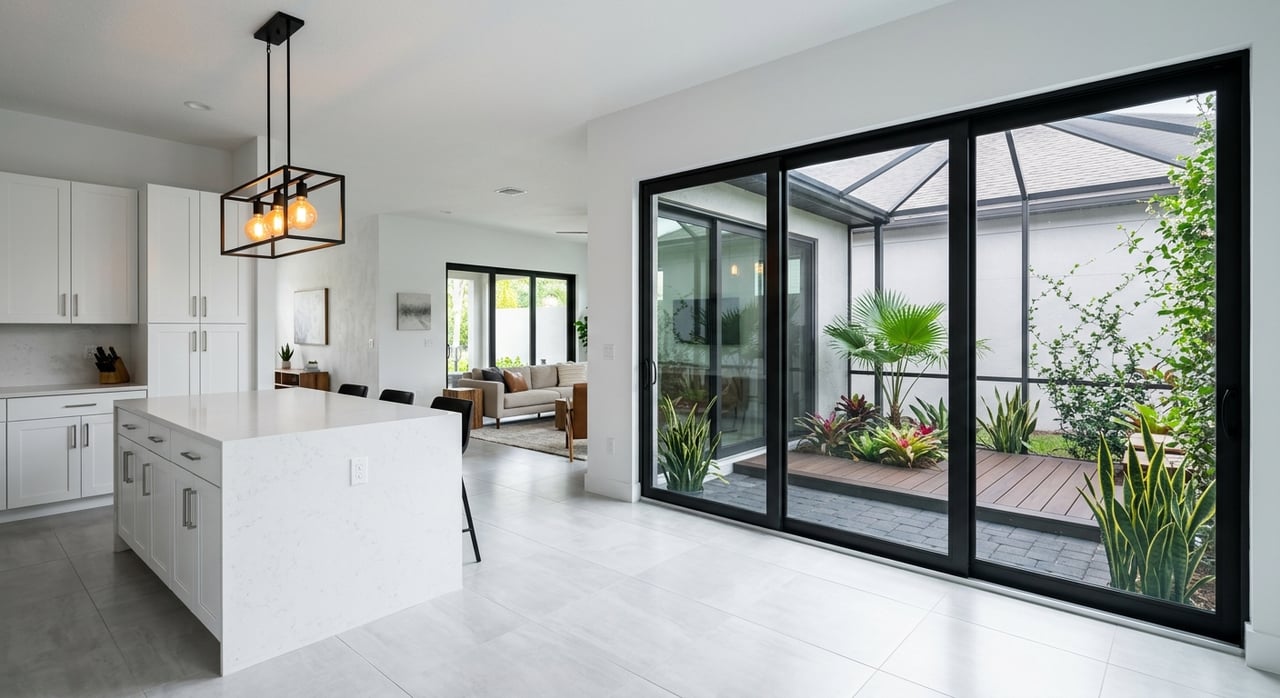
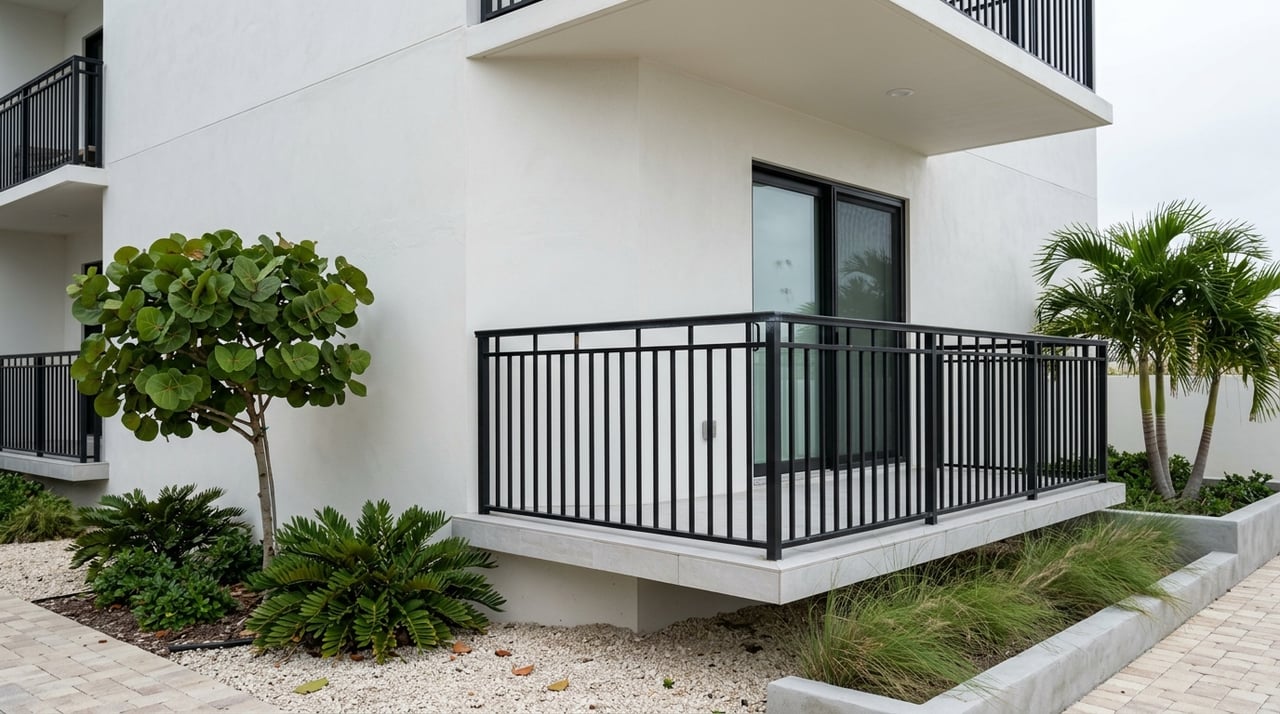
Cocoa Beach is not a one-note housing market. The city’s housing policies support a mix of property types, with higher densities in the Downtown and Gateway districts and lower densities across the rest of the city. In simple terms, you will find condos and other higher-density options as a major part of the market, along with single-family homes in lower-density pockets.
That variety can be helpful if your goals are still taking shape. If you want lower-maintenance ownership, a condo may fit your needs better. If you want more privacy, more storage, or a different use pattern for a second home, a single-family property may make more sense.
Current Census QuickFacts offer a useful snapshot of the market. In Cocoa Beach, the owner-occupied housing unit rate is 78.8%, the median value of owner-occupied housing units is $503,200, the median selected monthly owner costs with a mortgage are $2,312, and the median gross rent is $1,569. Those numbers help frame Cocoa Beach as a higher-cost coastal market, especially compared with some inland options in Brevard County.
Why supply matters in Cocoa Beach
One of the most important things to understand about Cocoa Beach is that it is essentially built out. According to the city’s comprehensive plan, there is very little vacant land left for new development, and future housing change is expected to happen mainly through redevelopment. That creates a different dynamic than communities where growth can still happen on large undeveloped tracts.
For buyers, this can mean tighter inventory and stronger competition when the right property comes up. It also means you are shopping in a market where location and property condition carry extra weight. In a coastal city with limited room to expand, well-positioned homes and condos can remain in high demand.
This does not mean every property is automatically a great investment. It does mean that supply constraints are part of the local story, and they are worth factoring into your strategy. If you are comparing Cocoa Beach with inland Space Coast areas, this is one reason pricing and buyer competition can feel different.
Investor appeal starts with demand
For investors and part-time owners, Cocoa Beach stands out because housing demand is not driven only by full-time local residents. The city’s comprehensive plan notes that the seasonal population continues to fuel housing demand. That matters because visitor activity and part-time ownership are part of what makes this market function.
The area’s beach network and recreation features support that demand. People come here for beach access, water recreation, and a vacation-town setting that feels distinct. If you are considering a property that you may use personally and also rent at certain times, that lifestyle demand is a major part of the opportunity.
Still, investor potential in Cocoa Beach is not a shortcut story. This is not just about buying near the water and assuming the numbers will work. The better approach is to look at demand and compliance together, because local rules play a major role in how a property can operate.
Know the short-term rental rules first
If short-term rental income is part of your plan, start with the city’s vacation rental regulations before you get too far into the search. Cocoa Beach requires every vacation rental owner or agent to register with the city, renew annually, and submit to inspections. Operating without registration is a violation.
The city also places limits on occupancy. The current code limits occupancy to the lesser of two occupants per bedroom plus two, or eight total occupants, with some grandfathering provisions for certain existing rentals. These rules can affect how you project potential use and income, especially if you are comparing properties with different layouts.
There are also practical compliance items to review. The city requires a parking plan and annual inspections as part of vacation-rental registration. That means the physical setup of the property matters, not just its location or size.
Understand taxes and local fees
If you plan to rent a property in Cocoa Beach for six months or less, Brevard County requires more than basic rent collection. The county adds a 5% Tourist Development Tax to short-term rentals of six months or less. That tax is in addition to Florida’s 7% state sales and use tax.
The Brevard County tax collector states that anyone renting accommodations for six months or less must collect both the local tourist tax and state sales tax and remit them on a monthly filing schedule. This is an important part of the ownership picture because it affects your systems, recordkeeping, and cash flow planning. It is another reason why second-home buyers should treat rental plans like a business decision, not just a side benefit.
City fees matter too. Cocoa Beach’s current fee schedule shows that vacation-rental costs can be meaningful, with registration and renewal priced per guest and different schedules for single-family and multifamily properties. There are also separate fees for reinspection, ownership changes, late renewal, and compliance issues.
What second-home buyers should budget for
In Cocoa Beach, purchase price is only part of the story. The city’s housing analysis points to additional construction standards related to hurricane vulnerability as one reason prices run higher than average. Coastal ownership often comes with more moving pieces, and buyers should plan for that from the start.
As you run the numbers, look beyond principal and interest. A realistic budget should include property taxes, insurance, HOA or condo dues if applicable, utilities, and any city rental-related fees if you plan to lease the property. In a market where carrying costs can add up quickly, your comfort level with ongoing expenses matters just as much as your down payment.
This is especially true for buyers who expect the property to support itself part of the year. If your ownership plan depends heavily on rental income, your cost analysis needs to be conservative and detailed. A strong purchase is one that still feels manageable when you account for the full cost of ownership.
Homestead matters for part-time owners
For second-home buyers, one of the biggest tax questions is homestead status. Brevard County’s property appraiser states that the Homestead Exemption is for a permanent residence and must be filed by March 1 of the year it will be applied. It is automatically renewed only while ownership and residence conditions remain the same.
The county also notes that when a homestead property is sold, the exemption and Save Our Homes cap are removed and the taxable value resets for the new owner. For part-time owners, the key point is simple: if the home is not your permanent residence, you should not assume homestead benefits will apply. That can make a meaningful difference in your long-term cost picture.
If you are comparing a full-time move to a true second home, this is one of the clearest financial differences to review early. It is better to understand the likely tax treatment before you make an offer than to discover it after closing.
Questions to ask before you buy
The right due diligence questions can save you time, money, and frustration. In Cocoa Beach, those questions should cover not only the property itself but also how the city and county rules affect your intended use.
Here are a few smart questions to ask during your search:
- Is the property already registered as a vacation rental, and if so, what modification will be required after closing?
- If you plan to rent short term, what occupancy rules, parking requirements, and inspection expectations apply to this specific property?
- What are the real carrying costs after purchase, including taxes, insurance, HOA or condo dues, utilities, and city fees?
- If you will only use the home part time, does the property still make financial sense without homestead benefits?
- If you are choosing between a condo and a single-family home, which option better matches your maintenance expectations and use plan?
These questions help shift the conversation from dream purchase to smart purchase. That is especially important in a lifestyle market where emotion can easily run ahead of the numbers.
Is Cocoa Beach the right fit for you?
Cocoa Beach can be a great fit if you want a true beach-town experience, easy access to recreation, and a property in a market with limited supply and ongoing visitor demand. It can also work well if you understand from the beginning that rental compliance, taxes, and carrying costs are part of the deal. Buyers who do well here tend to appreciate both the lifestyle and the homework.
If you are looking for a more suburban feel, lower ownership friction, or fewer moving parts around rental use, another part of the Space Coast may fit better. But if your goal is a second home or investment property with real coastal identity, Cocoa Beach offers a compelling case. The key is buying with a clear plan and local guidance.
Whether you are comparing condos, weighing rental potential, or trying to understand the true cost of ownership, having a local advisor can make the process much easier. If you want help evaluating Cocoa Beach opportunities in the context of your goals, reach out to Jeremy Stewart for thoughtful, local guidance.
FAQs
What makes Cocoa Beach appealing for second-home buyers?
- Cocoa Beach offers six miles of public beaches, 42 public beach access points, 15 parks and recreational facilities, and a strong surf-town lifestyle that attracts many part-time owners.
What property types are common in Cocoa Beach?
- Cocoa Beach has a mix of condos, other higher-density housing, and single-family homes, with higher densities in the Downtown and Gateway districts and lower densities in other parts of the city.
What should investors know about Cocoa Beach short-term rentals?
- Vacation rentals in Cocoa Beach must be registered with the city, renewed annually, and inspected, and the city also sets occupancy limits and requires a parking plan.
What taxes apply to short-term rentals in Brevard County?
- Short-term rentals of six months or less are subject to a 5% Brevard County Tourist Development Tax in addition to Florida’s 7% state sales and use tax, with monthly filing required.
Can a second-home owner claim homestead in Cocoa Beach?
- Brevard County states that the Homestead Exemption is for a permanent residence, so second-home buyers should not assume it will apply to a part-time property.
Why can buying in Cocoa Beach feel competitive?
- The city is essentially built out, with very little vacant land left for new development, so inventory can be limited and future change is expected to come mainly through redevelopment.