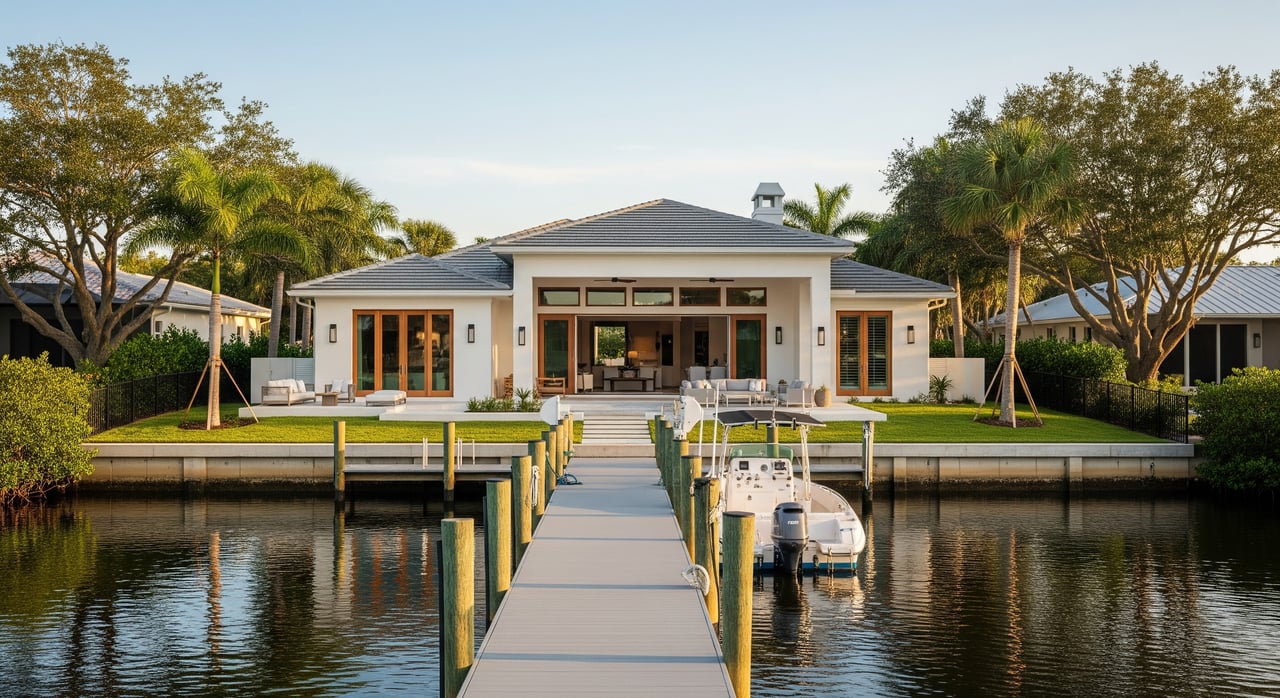
Imagine waking up to calm water views, stepping onto your patio with coffee, and launching a kayak before work. If you are considering that lifestyle in Rockledge, you are not alone. Waterfront homes here offer a mix of privacy, recreation, and daily convenience, but they also come with unique rules, maintenance, and insurance details. In this guide, you will learn the key differences between river, canal, and lake properties, what to inspect, and how to plan your purchase with confidence. Let’s dive in.
Rockledge waterfront types
Rockledge sits along the Indian River Lagoon, a tidal estuary on Florida’s east coast. When a home is marketed as “waterfront” here, it could mean riverfront on the Indian River, canal-front with protected access, or a lot on a freshwater lake or retention pond inside a subdivision. Knowing which type you are buying helps you plan for recreation, upkeep, and permits.
Indian River and canals
Riverfront and canal-connected properties often prioritize boating and fishing. You will see private docks, boat lifts, and outdoor spaces oriented toward the view. Since the Indian River is salt or brackish, shoreline protection such as seawalls, bulkheads, or riprap is common, and materials must withstand corrosion. Before closing, confirm channel depth, bridge clearances, and any mooring rules for your exact location.
Canals can offer calmer water and protection from wind, which is great for docking and non-motorized paddling. If a canal connects to larger channels, you may have broader boating access. Always verify navigability and any restrictions that could affect your routine.
Freshwater lakes and ponds
Freshwater lakes and ponds inside Rockledge subdivisions can be scenic and peaceful, with an easy setup for paddleboarding and kayaking. Many are part of the neighborhood stormwater system, so water levels and quality are managed differently than the river. Maintenance, fertilizer use, and runoff can influence clarity and vegetation, which is worth reviewing during due diligence.
These lots usually do not have tidal influences or salt spray, which can simplify some exterior maintenance. That said, you still need to evaluate drainage, shoreline stabilization where appropriate, and neighborhood rules about docks or lifts.
Home and lot features to expect
Waterfront and estate properties in Rockledge often emphasize outdoor living. Covered patios and lanais, elevated decks for views, and generous hardscape for entertaining are common. Many lots include side yards for boat or RV storage, and some estates feature separate structures like boathouses or guest spaces, subject to zoning.
You will frequently find private docks and lifts on riverfront or canal properties, along with seawalls where erosion control is needed. Landscapes often use salt- and wet-tolerant species to handle spray and periodic saturation. On larger parcels, mature canopy adds shade and privacy while framing the water view.
Utilities, septic, and drainage
Many neighborhoods are on municipal or county water and sewer, but some older or larger estate lots may still use septic systems. Confirm water and sewer availability before you assume connection, and have any septic system inspected for condition and setbacks. Because many lakes and ponds also function in stormwater management, look closely at site drainage, outlet structures, and how runoff is handled on your property.
Permits and regulations
Work on docks, seawalls, and shorelines usually requires permits. In Rockledge, you may need approvals from the City of Rockledge, Brevard County, the Florida Department of Environmental Protection, and in some cases a water management district. If mangroves are present, trimming and removal are regulated, and certified practices or permits are typically required.
Coastal and near-coastal construction follows Florida Building Code flood and wind standards. Expect your permitting process to reference design wind speeds, openings protection, and any required flood-resistant construction methods. Planning early helps avoid delays and ensures your project meets local and state rules.
Lifestyle and recreation
Boating and paddling access
The Indian River Lagoon supports boating, fishing, and sailing, while calmer canals and small lakes are ideal for kayaking and paddleboarding. Before you buy, confirm water depth near your dock, bridge clearance on your route, and whether year-round navigation is typical. Checking local marina or launch availability and reviewing tide and current patterns can help you plan boat size and storage.
Wildlife and environment
You can expect rich wildlife on the lagoon, including birds, dolphins, manatees, and a variety of fish. These natural assets also come with responsibilities, such as observing manatee protection zones and any posted rules. Water quality in the lagoon is monitored and can vary by location and season, which may influence recreational use and aesthetics at different times of year.
Privacy and activity
Waterfront lots can feel very private, especially with larger setbacks and established landscaping. At the same time, public waterways and nearby boat traffic may increase activity and noise compared to interior streets. Think about sightlines from neighboring docks, the location of any community boat ramps, and how fencing, hedges, and permitted setbacks align with your privacy goals.
Maintenance and insurance
Shoreline structures
Seawalls, docks, and pilings need routine inspection and periodic repair. Materials, permitting, and contractor schedules influence both cost and timing. If the property has recent contractor bids or service records, review them to understand maintenance cycles and plan your budget over the long term.
Flood risk and insurance
Riverfront and low-lying lake properties may fall within FEMA flood zones. Lenders often require flood insurance if your home is in a mapped flood zone. Obtain an elevation certificate for a more accurate insurance estimate, and ask your agent to help you review past flood claims and available policy options in both the National Flood Insurance Program and the private market.
Hurricanes and wind mitigation
Florida’s east coast building codes emphasize wind and hurricane resilience. Features such as impact-rated windows or shutters, reinforced garage doors, roof-to-wall straps, and elevated construction can help protect your home and may improve insurance outcomes. Request any wind mitigation reports and permits for recent upgrades during your inspection period.
Everyday upkeep
Salt air and humidity accelerate wear on metal fixtures, exterior finishes, and outdoor equipment, especially along the river. Plan for more frequent painting or sealing and consistent HVAC servicing. Pest control, moisture management, and landscaping with salt- and wet-tolerant plants are part of a typical waterfront maintenance routine.
Buyer due diligence checklist
Use this list to evaluate any Rockledge waterfront property. Ask your agent to help you verify each item:
- Confirm waterfront type and access
- Determine if the lot is riverfront, canal-front, or on a freshwater lake or retention pond.
- Verify navigability, channel connections, and any bridge or depth restrictions.
- Clarify mooring rules and typical water levels for your location.
- Title and easements
- Confirm riparian rights and any access easements along the shoreline.
- Ensure docks and seawalls are situated on private property with clear boundaries.
- Check for any reciprocal rights or shared facilities with neighbors.
- Permits and compliance
- Request permits for docks, seawalls, additions, and landscaping work.
- Verify compliance with mangrove and shoreline management rules if applicable.
- Structural and specialized inspections
- Arrange a seawall or bulkhead inspection by a marine contractor.
- Inspect docks and pilings for wear, corrosion, and wood condition.
- Complete a standard home inspection, plus mold and termite inspections; consider an engineer for major structural questions.
- Flood exposure and insurance
- Obtain a FEMA flood map determination and an elevation certificate.
- Get quotes for both NFIP and private flood insurance.
- Review past flood and insurance claim history for the property.
- Utilities and septic
- Confirm water and sewer connections with the city or county utility.
- If on septic, inspect the system and verify replacement history and setbacks.
- HOA and land-use covenants
- Review any HOA rules about docks, lifts, exterior lighting, paint colors, and landscaping.
- Check rules for boat, trailer, or RV storage.
- Environmental and water-quality records
- Ask for recent testing or monitoring information for the specific waterbody, including any advisories or restoration projects.
- Local services and contractors
- Identify marine contractors, coastal landscapers, pest-control providers, and insurance agents with waterfront experience.
Is lakefront right for you?
If you love water access, bird watching, and outdoor living, Rockledge offers a compelling mix of river views, protected canals, and peaceful freshwater lakes. The right property balances your privacy goals, boating plans, and maintenance expectations with the realities of permitting, insurance, and long-term upkeep. With the right preparation, you can enjoy the best of Space Coast waterfront living with fewer surprises.
If you want a local plan tailored to your goals, reach out to Jeremy Stewart. You will get clear guidance on water type, permitting, inspections, and insurance so you can move forward with confidence.
FAQs
What is the difference between riverfront and lakefront in Rockledge?
- Riverfront on the Indian River Lagoon offers salt or brackish water, boating access, and seawall considerations, while interior lakes and ponds are freshwater, often part of stormwater systems, and have different maintenance and permit needs.
How do I check flood zones for a Rockledge waterfront home?
- Ask your agent to pull the FEMA Flood Map determination for the address and obtain an elevation certificate to estimate flood insurance more accurately.
Do I need permits for a dock or seawall in Rockledge?
- Most shoreline work requires permits from the City of Rockledge, Brevard County, and often state agencies; confirm scope and approvals before starting any project.
What affects privacy on Rockledge waterfront lots?
- Privacy depends on lot size, landscaping, setbacks, and proximity to public waterways, boat ramps, and neighboring docks that can increase activity and sightlines.
What maintenance should I plan for with a seawall and dock?
- Budget for regular inspections, routine repairs, and eventual replacement of seawalls, pilings, and decking materials, and review any past service records to gauge timing.
Are there wildlife or boating rules on the Indian River Lagoon?
- Yes, you should observe posted manatee protection zones and local boating regulations, and stay aware of seasonal or location-specific guidance that protects wildlife and habitat.