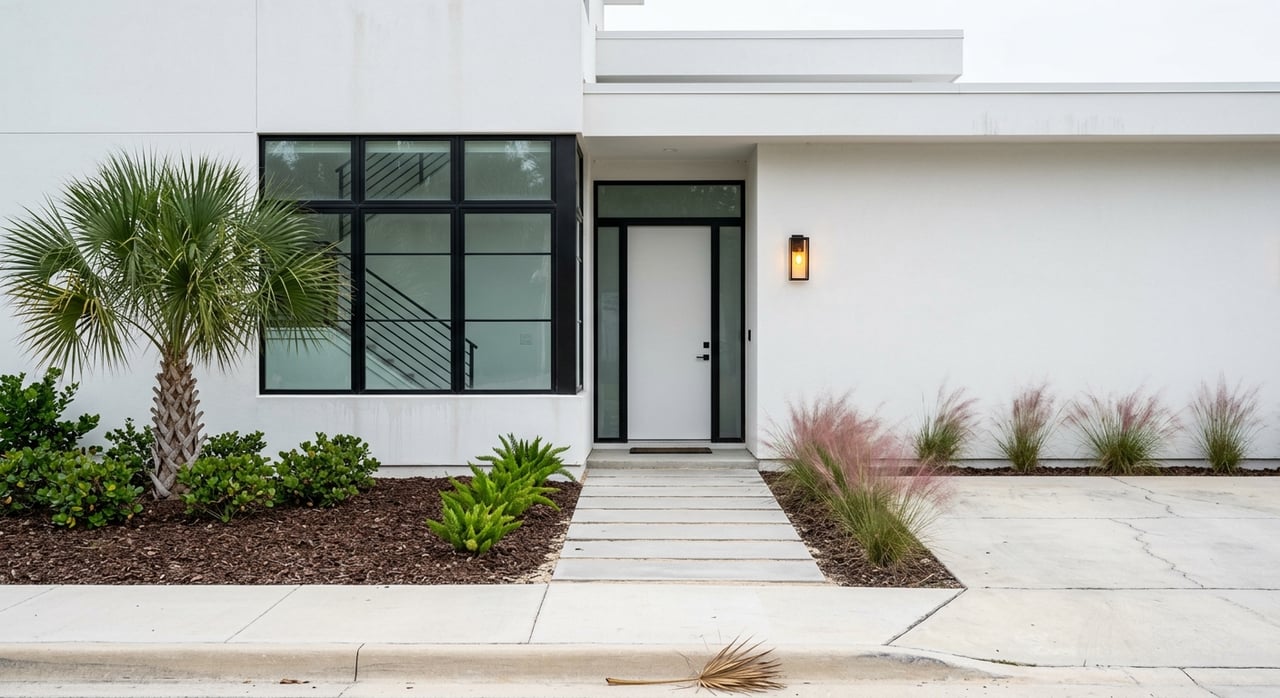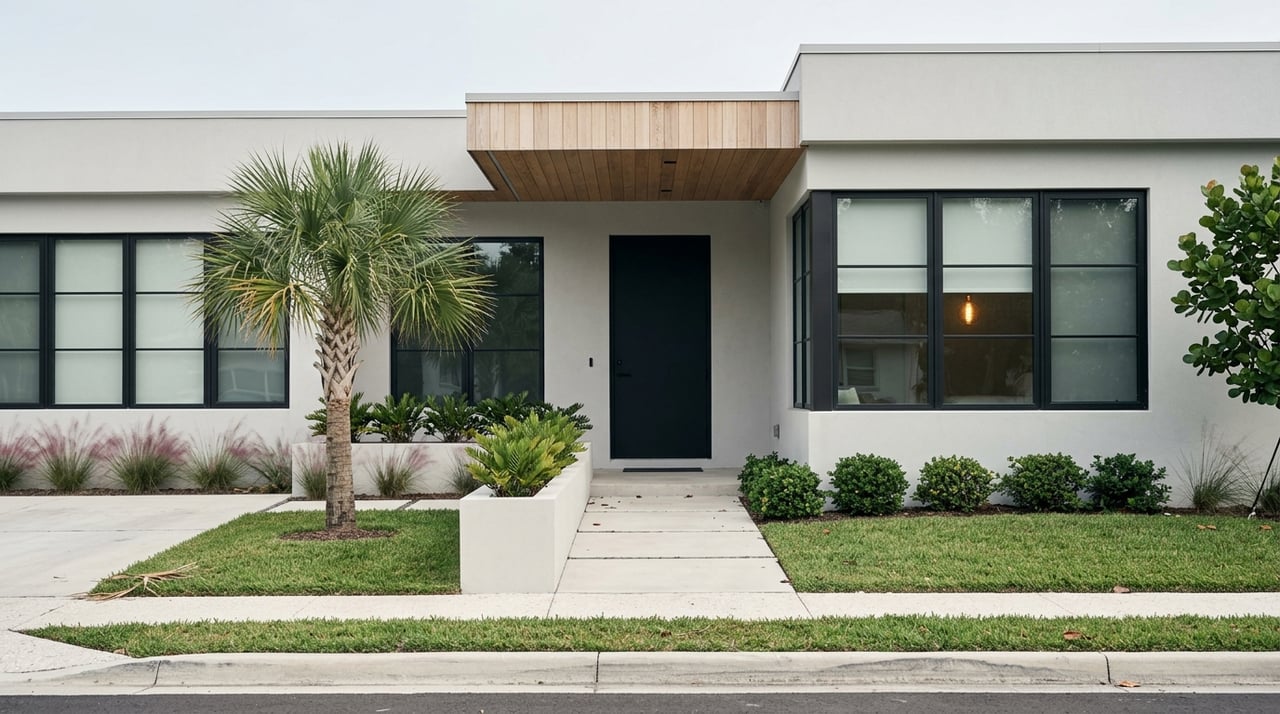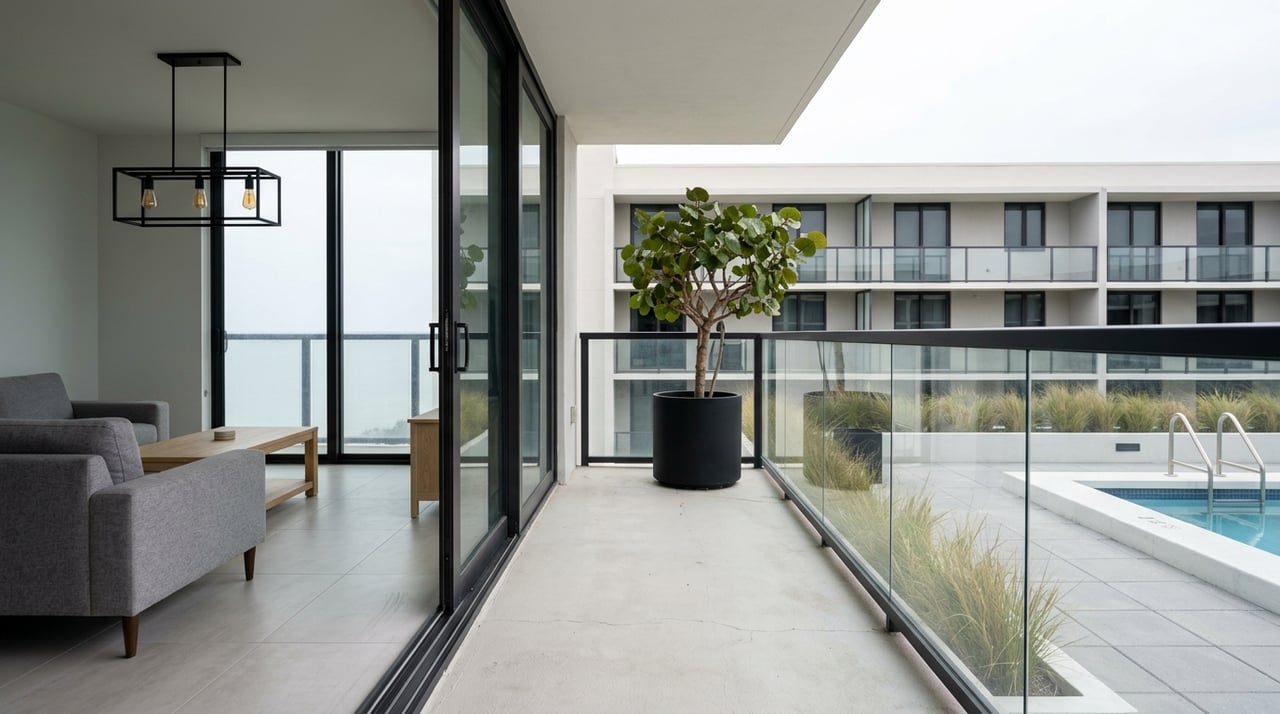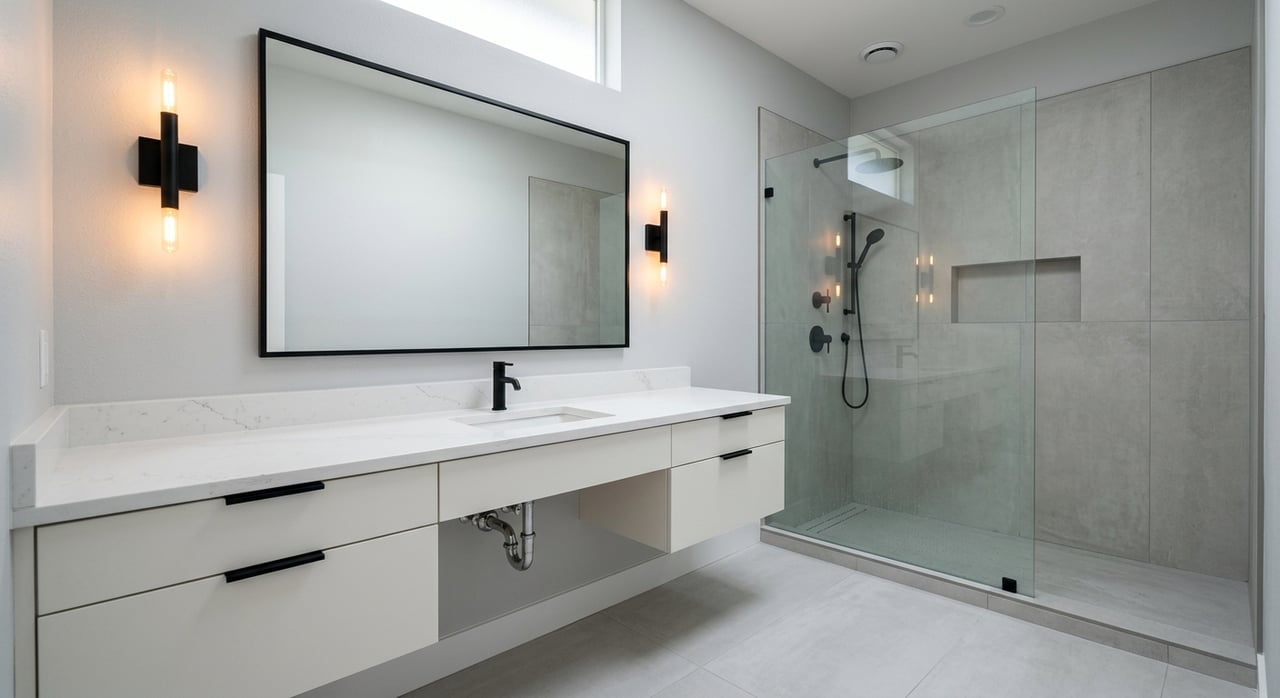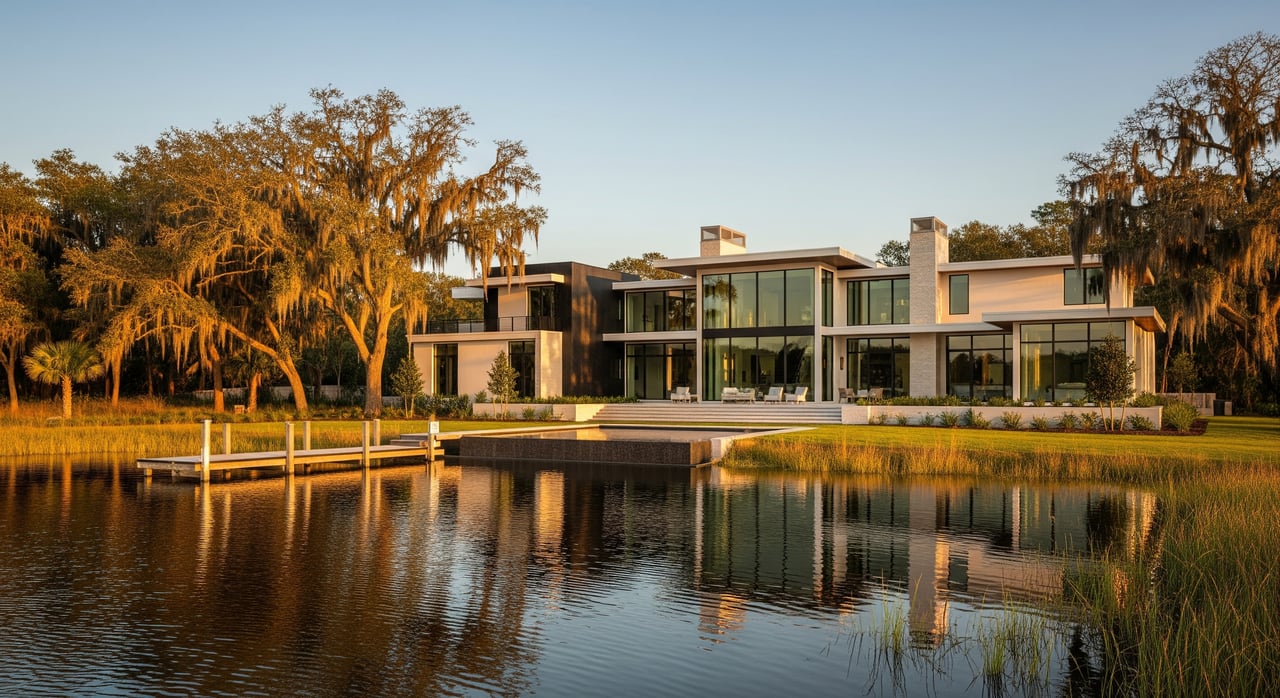
Thinking about building your next home near Lake Washington but not sure where to start? You want the space, finishes, and efficiency of a new home without costly surprises or delays. In this guide, you’ll learn how to choose the right lot in The Woodlands of Lake Washington, understand realistic timelines, budget for upgrades, and protect yourself in builder contracts. Let’s dive in.
Lake Washington new-build basics
If you’re comparing turnkey resale to building new, start with how builders work in Brevard County. You’ll typically meet one of three builder types: national production builders with set floor plans, regional builders with more flexibility, or custom builders who tailor a plan to your lot. Each choice affects price, timeline, and upgrade options.
In Brevard County, permitting, inspections, and hurricane standards shape every build. Builders must follow current Florida Building Code wind requirements for coastal counties. County permitting and inspections set the pace, so your timeline should include those steps.
Pick the right lot
Choosing the lot is as important as choosing the plan. Use this checklist before you commit.
Flood and elevation
- Confirm the FEMA flood zone designation for the exact parcel and check any county floodplain overlays. These determine elevation, foundation requirements, and whether flood insurance is required.
- Ask for an elevation certificate or plan to obtain one during your option period.
Soil, drainage, and buildability
- Order a geotechnical or soils report early. Soil conditions can change the foundation type and cost.
- Review the plat and any known drainage patterns, wetlands, or conservation easements that may limit buildable area.
Utilities and infrastructure
- Verify availability of public water, sewer, electricity, gas, and broadband. Confirm who pays for extensions and tap-in fees.
- If sewer is not available, check septic rules and site suitability with Brevard County Environmental Health. If a well is required, confirm permits and water testing.
- Note whether roads are public or private and how maintenance is handled through the HOA.
Environmental constraints
- Ask about wetlands, waterways, or buffers that trigger additional state or county permits. Work near surface waters may require extra approvals and time.
- Confirm any tree protection rules or landscape buffers required by the subdivision.
Orientation and microclimate
- Consider sun exposure on the backyard, lanai, and key living areas. Orientation can affect cooling loads and privacy.
HOA, covenants, and design review
- Obtain the CCRs, architectural guidelines, and fee schedules for The Woodlands of Lake Washington.
- Confirm exterior material rules, landscaping standards, fence types, and accessory structure limits.
- Ask for typical review timelines so design approval does not delay permits.
Pro move: Request utility letters, current surveys, plat maps, CCRs, and any known easements before you finalize your lot choice. Start a title commitment early to catch restrictions or liens.
Build steps and timelines
Every builder’s process is slightly different, but most follow common phases. Keep expectations flexible and confirm dates in writing.
1) Lot reservation and due diligence
- Reserve the lot and start your option period. Use this time to verify flood zone, utilities, soils, and HOA rules.
- Secure preapproval with a lender that handles new construction.
2) Contract and selections
- Choose your plan, elevation, and structural options. Complete your design selections and sign the contract with deposits.
- Clarify what is included versus optional upgrades.
3) Permitting and site prep
- The builder submits permits to Brevard County. Timelines depend on workload and project details.
- Site clearing and utility coordination begin once permits are issued.
4) Foundation and framing
- Foundation work starts, followed by framing, roof, and exterior shell. This is often called “dry-in.”
5) Rough-ins and inspections
- Mechanical, electrical, and plumbing rough-ins go in, then insulation and drywall. County inspections occur at each stage.
6) Interior finishes
- Cabinets, countertops, flooring, paint, and fixtures are installed.
7) Final inspections and CO
- Complete punch list, pass final inspections, obtain the certificate of occupancy, and close.
8) Warranty period
- Post-closing service begins under the builder’s written warranty.
Typical build time for many production homes runs about 6 to 9 months from permit to certificate of occupancy. Custom homes often take 9 to 18 months or more. Weather, materials, labor, and permitting can shift timelines, so confirm milestone dates and delay allowances in your contract.
Budget your upgrades
Plan for both visible finishes and behind-the-scenes costs. Start with the builder’s upgrade list and price sheet, then layer in site and soft costs.
Cost categories to include
- Lot premium for water views, size, or location
- Foundation or mitigation costs based on soils and elevation
- Interior upgrades for kitchen, baths, flooring, lighting, and appliances
- Exterior and site work like landscaping, driveway, patio, fencing, or shoreline improvements
- Permitting, impact fees, and utility tap-in fees
- Survey, title, closing costs, homeowner’s insurance, and flood insurance if required
- Contingency reserve for unforeseen items
Estimating and cash flow
- Compare “included features” to your wishlist so you only pay for what matters.
- Watch for allowance items and make sure the allowance matches your finish level.
- Ask how upgrades are paid. Some roll into the construction loan; others require staged payments.
Local tip: Hurricane-readiness features like impact windows, reinforced garage doors, and enhanced roof connections can raise upfront cost but may reduce risk and insurance exposure over time.
Secure your lot
Locking in the right homesite in The Woodlands of Lake Washington takes a few organized steps.
- Get a written lot reservation with an option period for due diligence.
- Order a current survey and start a title commitment.
- Verify FEMA flood zone and county overlays; request or plan for an elevation certificate.
- Confirm utilities and potential tap-in fees; if septic is needed, consult Environmental Health.
- Review CCRs and architectural rules; confirm review timelines in writing.
- Finish loan preapproval with a lender experienced in construction draws.
Contracts and protection
The builder’s salesperson represents the builder’s interests. You benefit from your own buyer’s agent who understands new construction in Brevard County and can help you compare lots, negotiate upgrades, and review contracts.
Key terms to review
- Price breakdown: base price, lot premium, and what is included
- Allowances: materials, brands, and how overages are billed
- Change orders: approval process, pricing, and schedule impacts
- Timeline: milestone dates, weather/material allowances, and remedies for extended delays
- Deposits and liquidated damages: what happens if either party cancels or fails to perform
- Warranty: coverage scope and duration for workmanship, systems, and structure
- Punch list and holdbacks: how final items will be completed after closing
- Title and closing: who provides title insurance and escrow instructions
- Risk of loss and insurance: when responsibility shifts to you
- Dispute resolution: arbitration clauses, attorney fee provisions, and venue
Licensing and financing
- Verify the builder’s license and insurance through Florida’s contractor oversight agency.
- If using a construction-to-permanent loan, expect lender inspections and draws tied to progress. Align the builder’s schedule with lender and title to avoid delays.
Inspections and warranty
Independent oversight helps protect your investment, even in new construction.
- Schedule walkthroughs at foundation, pre-drywall, and final stages. Document items with photos and notes.
- Consider hiring an independent inspector who specializes in new builds.
- Read the builder’s warranty carefully and understand claim procedures and response times. Keep all communication in writing.
New vs resale
If you’re torn between a move-in-ready resale and building new near Lake Washington, weigh these points.
Reasons to choose new:
- Floor plan and finishes tailored to your needs
- Current Florida Building Code standards and energy efficiency
- Builder warranties and lower early maintenance
Reasons to consider resale:
- Faster move-in and fewer carrying costs during construction
- Established landscaping and no construction noise
- Known neighborhood context without build uncertainty
Work with Jeremy
Building in The Woodlands of Lake Washington is exciting when you have a clear plan and the right guide. If you want help comparing lots, vetting builders, and navigating contracts and timelines, reach out for local, hands-on representation. Let’s make your Lake Washington build smooth, strategic, and enjoyable. Connect with Jeremy Stewart to get started.
FAQs
How long does a new build take in The Woodlands of Lake Washington?
- Many production homes take about 6 to 9 months from permit to completion, while custom builds can run 9 to 18 months or more depending on permits, weather, materials, and labor.
What should I budget for upgrades on a new home near Lake Washington?
- Start with the builder’s price list, then add lot premium, site costs, utility tap fees, landscaping, and a contingency reserve; confirm how upgrades are financed and paid during the build.
Are there special risks when building near Lake Washington?
- Check the parcel’s FEMA flood zone and any county floodplain rules, confirm elevation and foundation needs, and plan for hurricane-grade construction features that meet Florida Building Code.
Do I need a buyer’s agent if I’m building new in a subdivision?
- Yes; the builder’s agent represents the builder, so having your own agent helps you compare options, negotiate upgrades, review contracts, and coordinate inspections and financing.
What warranties come with a new construction home?
- Builders typically offer written warranties that may include a year of workmanship coverage, coverage for systems, and longer structural protection; read your specific warranty for exact terms.
How do construction-to-permanent loans work for new builds?
- The lender releases funds in draws as the home reaches milestones verified by inspections, then converts to a standard mortgage at completion; coordinate timelines with your builder and title team.